5 growing regions7 bags whose listing names where it came from5 verified roasters publish this origin
What Ethiopian coffee is known for
Known for“Bold, full-flavored, full-bodied coffee that’s a bit down-to-earth. Coffees can also have high, supple acidity. Most arabica coffees are produced using the natural processing method.”
Why it grows here“Ethiopia affords some of the highest altitude production areas for arabica coffee, allowing the fruits to mature very slowly and develop complex flavors like fruity, spicy, and floral.”
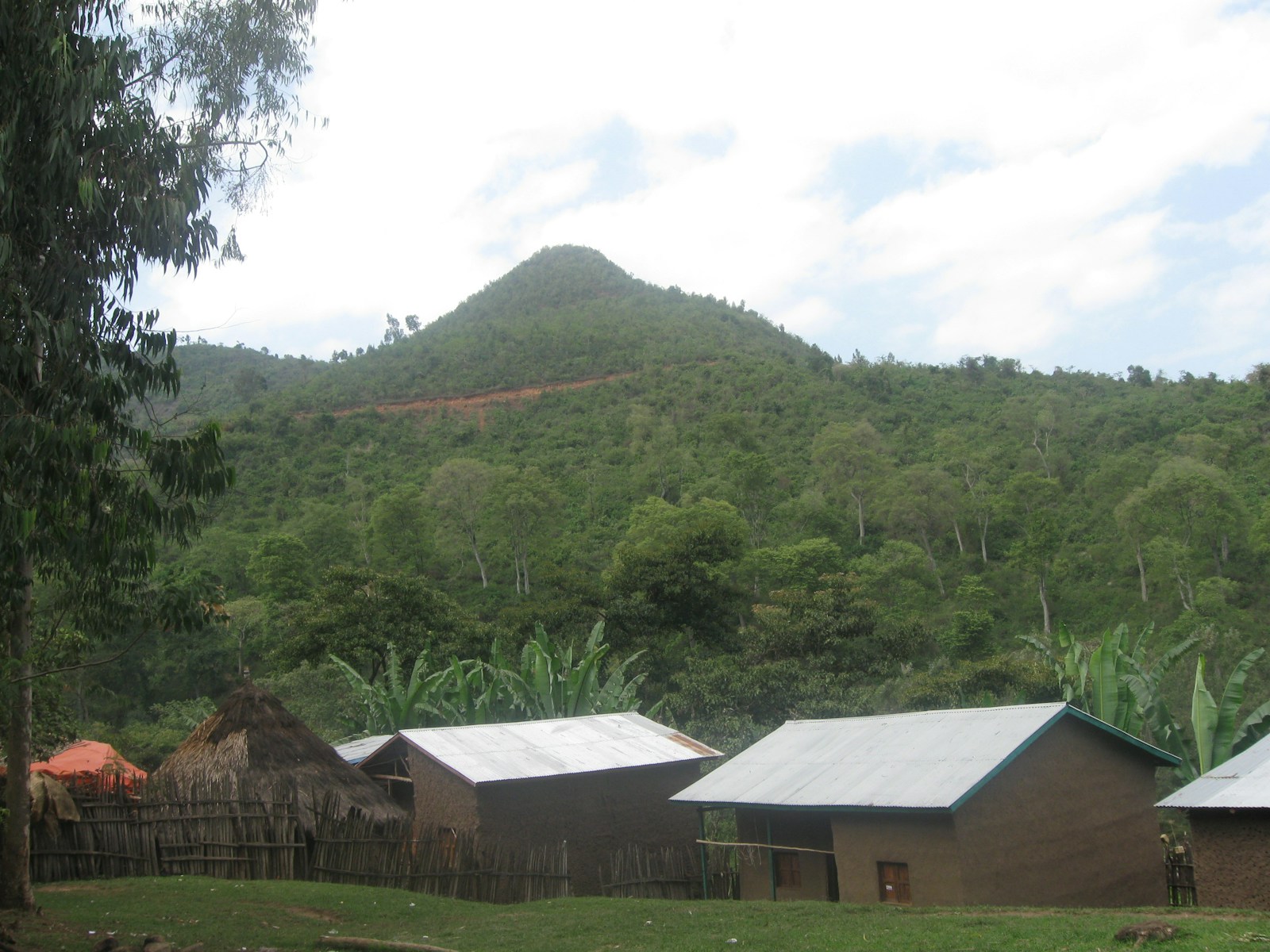
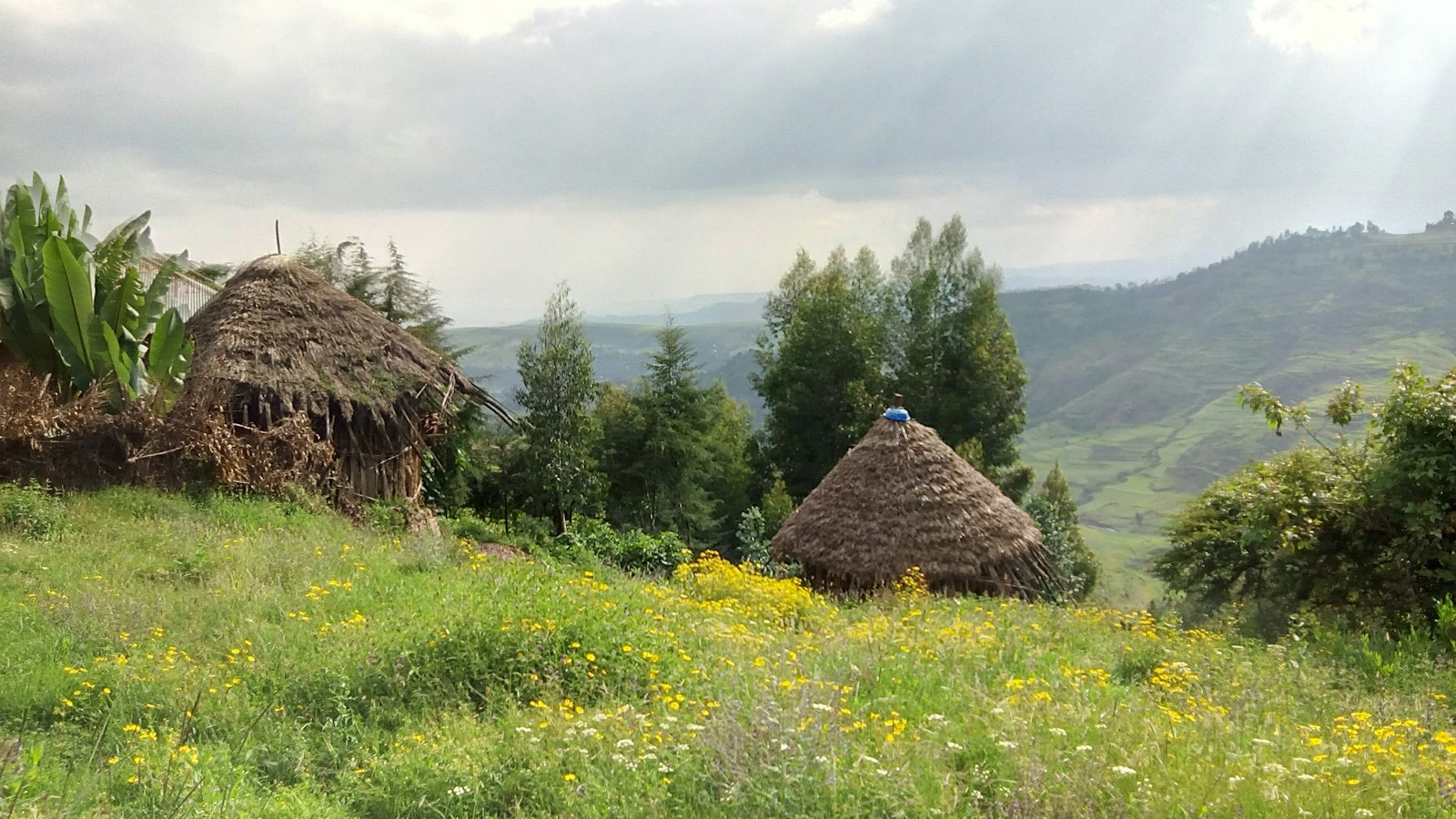
Ethiopian highlands. Coffee grows in country like this — high, wooded and steep — which is part of why so much of it is still picked by hand. Photo: BDU Fellowship VLM / UnsplashAgat, in the Ethiopian countryside. Much of the country's coffee comes from smallholdings rather than estates. Photo: Temesgen Negussie / Unsplash
Both lines are quoted from the National Coffee Association — Coffee Regions of the World, read 2026-09-21. Origin is a starting point, not a guarantee of flavour: characteristics vary by region, producer, variety, processing and roast, and we have not tasted the coffees on this page.
How Ethiopia drinks its own coffee
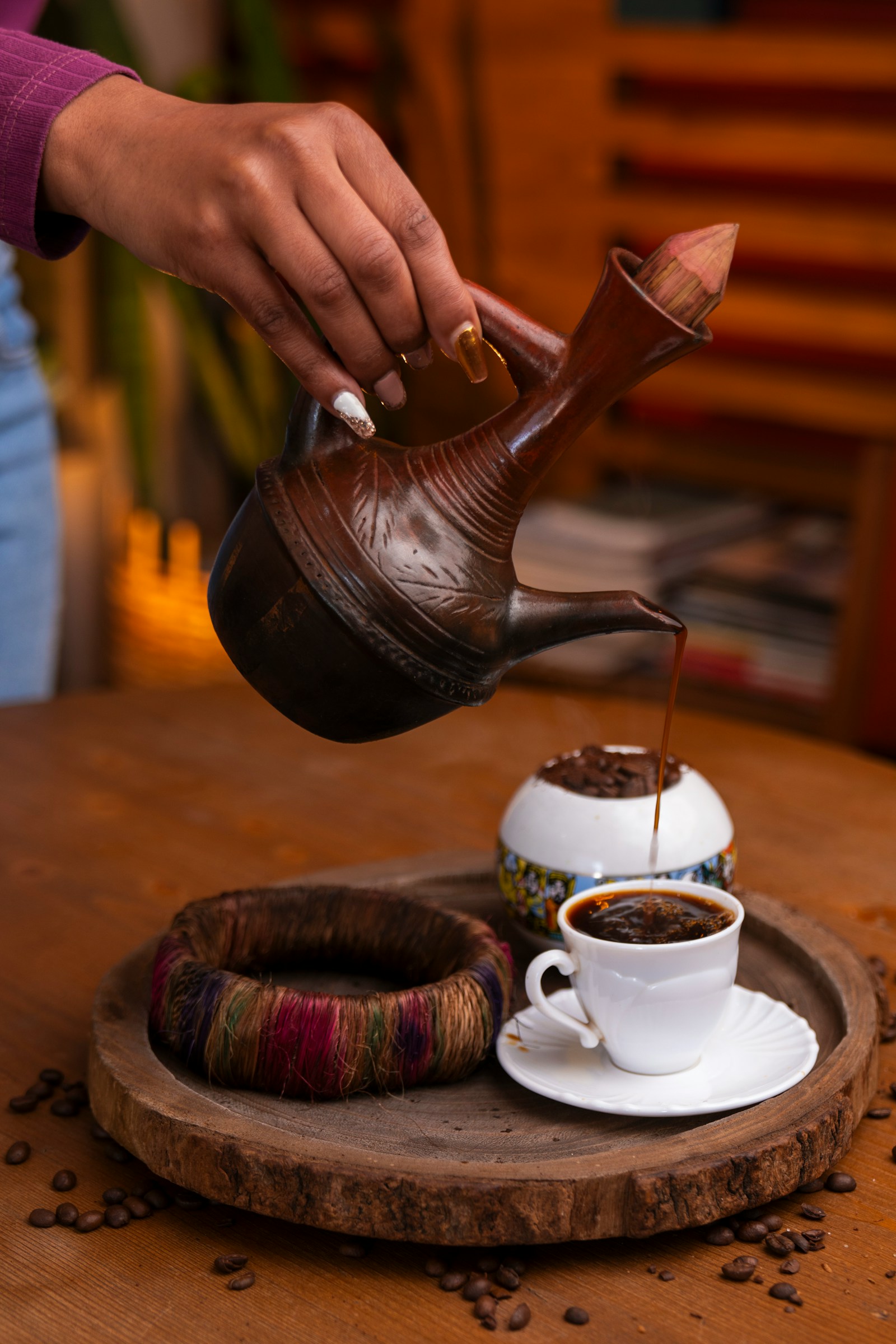
Worth knowing before you buy, because it is the context the bag comes from. Ethiopia keeps and drinks an unusually large share of what it grows, and serves it from a clay jebena rather than a machine — roasted, ground and brewed in front of you, in one sitting.
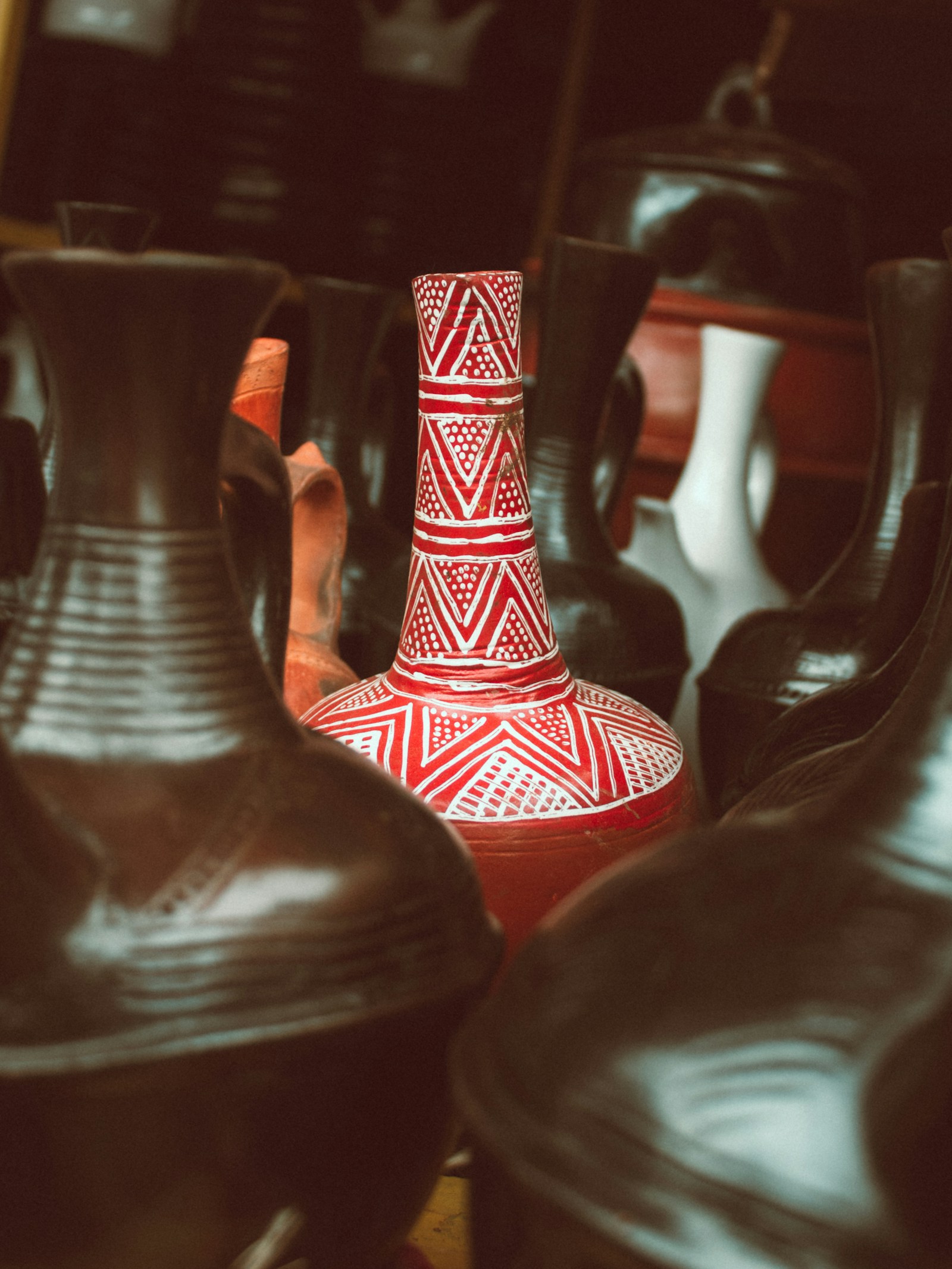
The pour from a jebena. Coffee is served from the same pot it was brewed in, and the grounds stay in it. Photo: Amanuel Kebede / UnsplashCoffee time in Addis Ababa. Ethiopia drinks a large share of what it grows, which is unusual among producing countries. Photo: Eyoel Abraham Kahssay / UnsplashJebena pots for sale at Merkato in Addis Ababa. Photo: Alazar Kassahun / Unsplash
Ethiopian coffee growing regions to look for on the bag
A bag that names one of these is telling you more than a bag that names only the country. Some of them sit inside another: where they do, this list says so rather than offering them as alternatives to each other.
Sidamo
Yirgacheffe in Sidamo
Guji
Harrar
Kaffa
Which of these sits inside another is as described by Cafe Imports — Ethiopia, read 23 September 2026.
A region name on the bag is the single most useful thing an Ethiopian label can tell you. Photo: yoseph hailu / Unsplash
Coffees to try from Ethiopia
What this shelf looks like. Ethiopian bags are among the easier ones to buy well: enough of them name Yirgacheffe, Guji, Sidamo or Harrar that you can choose between regions rather than settle for the country. The ones to walk past are the flavoured blends sold as single origin, including one whose own description credits beans from Colombia and Brazil.
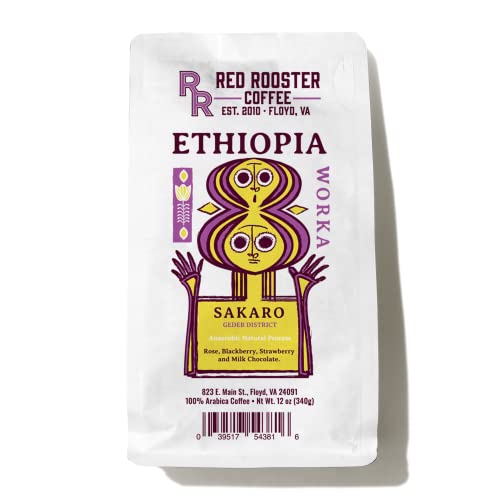
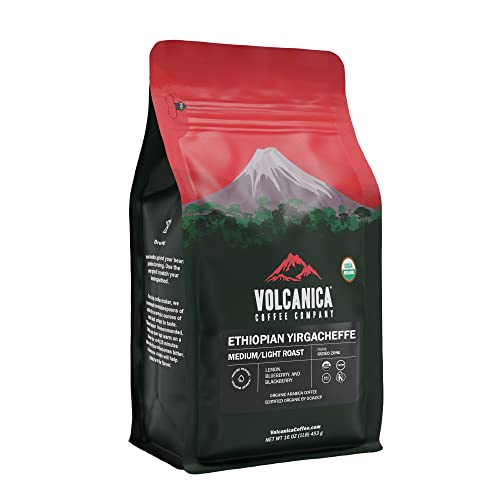
Each of these is here for one reason: its own listing documents where the coffee came from — a named region, producer, cooperative or lot, not just the country. We have not tasted them and we do not score them.
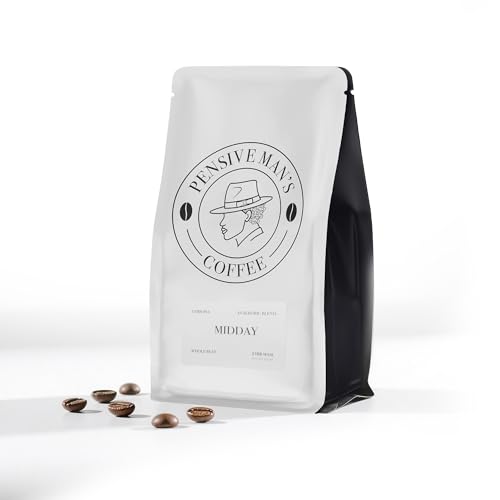
A Pensive Man's Coffee
Ethiopian Whole Bean, Midday Medium Roast
$10.99Live Amazon price · as of 10/23/2026 5:11 PM
Listing states: Ethiopia; Anaerobic processing; High Elevation Arabica; Medium Roast.
— means the label doesn’t say. Everything here is what each listing states; we have not tasted these coffees and nothing is scored. Why region, process and roast matter →
Roasters who publish Ethiopia as an origin
From our verified roaster directory: independent U.S. roasters whose own site names a specific Ethiopia origin. Buying direct is the shortest route to a roast date.
The National Coffee Association describes this origin as: "Bold, full-flavored, full-bodied coffee that’s a bit down-to-earth. Coffees can also have high, supple acidity. Most arabica coffees are produced using the natural processing method." Origin is a starting point, not a guarantee: characteristics vary by region, producer, variety, processing and roast, so two bags from the same country can taste very different.
Which Ethiopian coffee growing regions should I look for on the bag?
The regions this origin is known for are Sidamo (including Yirgacheffe), Guji, Harrar, Kaffa. A bag that names one of them is telling you more than a bag that names only the country.
How do you choose which Ethiopian coffees to list?
One published test: the listing itself has to document where the coffee came from — a named region, producer, cooperative or lot — and be a current, new listing. We have not tasted these coffees and we do not score them; a listing that names only the country does not qualify, however well it sells.
Why does coffee grow well in Ethiopia?
The National Coffee Association describes the growing conditions as: "Ethiopia affords some of the highest altitude production areas for arabica coffee, allowing the fruits to mature very slowly and develop complex flavors like fruity, spicy, and floral."
Explore Ethiopia’s coffee connections
See the documented relationships between Ethiopia’s growing regions, its coffees, the roasters who source there and the ways the labels say to brew them — and what the labels never said.
 Africa · Coffees of the World