8 facts, each with a source below5 questions answered7 verified products
Brew the coffee hot, directly onto ice, and count the ice as part of your water. That is the whole trick, and it is what separates a good iced coffee from a watery one. Counter Culture publishes it as pouring only two-thirds of your usual hot water and adding the final third as ice — in their 30 g example that means 365 g of hot water over about 135 g of ice, at the same 1:17 ratio they use for hot coffee. Blue Bottle's version is a 20 to 27 g dose, 200 g of water, and roughly 75 g of ice waiting in the carafe. The ice melts into the brew and completes the intended water weight, so the drink arrives at full strength and chilled in seconds. Brewing normally and chilling afterwards is the common approach and it is the weaker one: the coffee sits warm, goes flat, and then gets diluted on top of a full-strength brew.
Counter CultureTwo-thirds hot water, one-third ice
Their ratio1:17, same as their hot coffee
Blue Bottle20-27 g dose, 200 g water, ~75 g ice
GrindMedium-fine to medium-coarse
TakesUnder three minutes
Not this pageCold brew, which is steeped
The mistakeChilling hot coffee afterwards
Replace part of the brew water with ice before you start. The melting ice completes the recipe instead of diluting it.
First: this is not cold brew
The two get used interchangeably and they are different drinks made in different ways.
Cold brew never meets hot water. Coarse grounds steep in cold water for many hours, and the result is low in acidity, heavy, and usually made as a concentrate. Our cold brew guide covers it properly, including a section on exactly this distinction.
Iced coffee, the way this page means it, is brewed hot and chilled instantly by landing on ice. Hot water extracts the aromatic compounds that cold water largely leaves behind, so the drink keeps the brightness and the floral or fruit character of the coffee. It takes minutes rather than half a day.
Roasters call the hot-onto-ice method flash brew, and Counter Culture notes it was previously known as Japanese iced coffee. If you have seen either term, this is the method.
Why the ice has to be there before you brew
Think of the ice as water you have not added yet, because that is exactly what it is.
If you brew a full-strength pot and pour it over ice afterwards, you have made a normal brew and then added melted ice to it. The drink is weaker than the recipe intended, and it has spent time sitting warm while it cooled, which is when coffee goes flat.
If instead you hold back part of the brew water and put that weight in as ice, the coffee that lands is deliberately stronger than usual, and the melting ice brings it back to the strength you meant. Counter Culture puts it plainly: melting ice adds to the total water volume without weakening the final brew.
The second benefit is speed. Hot coffee hitting ice drops to drinking temperature in seconds, which locks in the aromatics instead of letting them drift off over twenty minutes on the counter.
The Counter Culture method, by weight
Use your normal ratio and your normal pour-over kit. Counter Culture's is 1 gram of coffee to 17 grams of water, the same as their hot recipe, and their worked example uses a Kalita Wave 185 with 30 g of coffee and 500 g of water.
The change is how that 500 g is delivered. You pour 365 g of hot water through the coffee, and the remaining weight — about 135 g — goes into the carafe as ice before you start. Two-thirds hot, one-third frozen.
Everything else is your usual routine: rinse the paper, level the bed, bloom, and pour in stages. Grind medium-coarse for a Kalita, or whatever your brewer normally wants.
The arithmetic scales. For a single mug at 20 g of coffee you would be looking at roughly 340 g of total water, of which about 225 g is poured hot and about 115 g sits in the vessel as ice.
The Blue Bottle method, for one glass
Blue Bottle publishes a smaller, single-serve version that is easier to hit first time.
Their figures: a 20 to 27 g dose, 200 g of water heated to 200 to 210°F, a medium-fine grind, and approximately 75 g of ice in the carafe with the dripper sitting on top.
The pour is staged by weight on the scale: a first spiral to 50 g, then at 40 seconds a second to 120 g, then a final one to 200 g. Total brew time lands between 1:45 and 2:15.
At the end the ice should be largely melted, which is the signal that the dilution has done its job. Then pour over fresh ice in a glass to serve, which chills the glass without changing the recipe.
If it still tastes weak, or too strong
Two variables, and it is almost always the first one.
Your ice was wet. Ice straight from a freezer drawer often carries a film of water, and a scoop that has been sitting out is partly melted before it starts. That water is extra dilution the recipe did not account for. Weigh the ice rather than counting cubes, and take it from the freezer at the moment you need it.
Your grind drifted. Brewing a smaller hot volume through the same dose means a shorter contact time, so a grind that was right for hot coffee can run slightly under-extracted here. If the drink tastes sour and thin rather than merely weak, go one step finer before you touch the ratio.
If it is too strong, you are probably serving it over more fresh ice than you realise and drinking it before that melts. That is a serving choice rather than a recipe fault, and it fixes itself as you drink.
Making it for more than one
The method scales cleanly, and this is where it beats cold brew on a weekday: it is ready now rather than tomorrow.
Brew into a carafe with the ice already in it, keeping the same two-thirds-and-one-third split, then refrigerate. Made this way the coffee is at drinking strength already, so it does not need diluting later.
Drink it the same day. Brewed coffee held overnight in a fridge does not spoil in any dangerous sense, but it flattens noticeably, and the brightness that made you brew it hot in the first place is the first thing to go. If you want something that keeps for days, that is what concentrate is for.
Turning it into something else
Iced coffee made this way is the base for most cold coffee drinks, and two of them have their own pages.
Add cold milk and you are most of the way to an iced latte, though a proper one is built on espresso and in a particular order. Add a layer of cold foam and you have the drink that took over cafe menus, which needs no espresso machine at all.
For sweetening, use a syrup rather than granulated sugar: sugar does not dissolve in a cold drink and ends up as grit at the bottom. Our syrup guide covers the formats and how much to use.
Where this page stops
The two recipes above are published by the roasters named, and the figures are theirs rather than ours — doses, water weights, temperatures, ice weights and pour timings all come from their own brew guides, read on the date in the sources below.
We have not run extraction measurements comparing hot-onto-ice against chilled-afterwards coffee. The argument for the method here is the arithmetic of dilution, which is checkable, and the well-established behaviour of aromatics in hot liquid as it stands. Where this page says a drink is brighter or flatter, read that as the expected consequence of those two things rather than as a laboratory result of ours.
Verified products for this page
ℹ️
Affiliate disclosure: CoffeeLabAdvisor is an Amazon Associate and may earn a commission from these links, at no extra cost to you. Commissions play no part in what appears here — every product traces to a verified catalog entry or a published review.
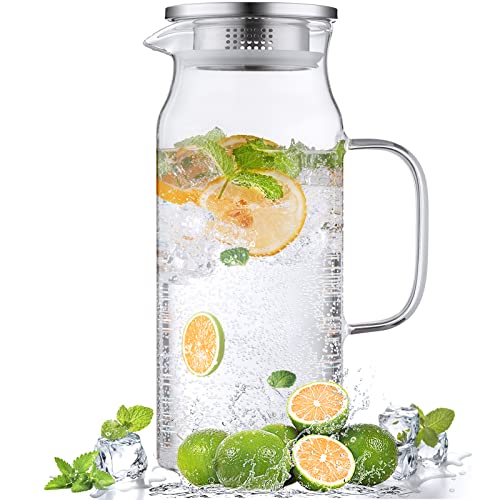
The pour-over gear both published recipes are written around, plus a carafe for batching and a bottled iced coffee for the mornings none of this is happening. Each product fact is its listing's own statement.
Pour-over
Hario
V60 Ceramic Dripper, 02
$25.00Live Amazon price · as of 10/23/2026 5:18 PM
The reference cone: one large opening, spiral ribs, and total control handed to your kettle. Listing states the Hario V60 Dripper 02 in white ceramic.
$39.00Live Amazon price · as of 10/23/2026 5:31 PM
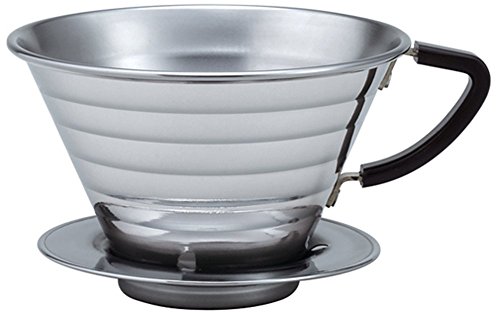
The flat-bed alternative to the cone: more forgiving of pour technique, and steel rather than ceramic. Listing states a flat-bottomed wave dripper made in Japan of polished stainless steel, dishwasher safe, with a 2-inch dripping area that fits most cups and carafes.
$53.95Live Amazon price · as of 10/23/2026 5:30 PM
Half the method is the pour, and the pour is the kettle. Listing states a slender gooseneck spout for a slow, steady and controlled pour, stainless steel, 1.2 L, for gas, electric and induction stoves.
Put the ice in before you brew and count it as part of your water. Counter Culture's published method pours only two-thirds of the usual hot water and adds the final third as ice, so the coffee lands stronger than normal and the melting ice brings it to the intended strength. Brewing normally and pouring it over ice afterwards adds melt water on top of a full-strength brew, which is why that version tastes thin.
What is the ratio for iced coffee?
The same ratio you would use hot, with the water split between liquid and ice. Counter Culture uses 1 gram of coffee to 17 grams of water and, in their 30 g example, pours 365 g of hot water over about 135 g of ice for 500 g total. Blue Bottle's single-serve version is a 20 to 27 g dose with 200 g of water and roughly 75 g of ice.
Is iced coffee the same as cold brew?
No. Cold brew steeps coarse grounds in cold water for many hours and is usually made as a concentrate, giving a heavy, low-acid drink. Iced coffee in this sense is brewed hot straight onto ice, which takes minutes and keeps the bright, aromatic character that hot water extracts and cold water largely does not. Roasters call the hot method flash brew.
What grind should I use for iced coffee?
Close to your normal filter grind. Blue Bottle specifies medium-fine for their hot-over-ice recipe; Counter Culture uses medium-coarse in a Kalita Wave and says brewer's choice. Because you are pouring a smaller hot volume through the same dose, contact time is shorter, so if the drink tastes sour and thin rather than simply weak, go one step finer before changing anything else.
Can I make iced coffee ahead of time?
Yes, brewed into a carafe with the ice already in it, and it is ready immediately rather than tomorrow. Keep it refrigerated and drink it the same day: it will not spoil in any dangerous sense, but it flattens noticeably overnight and the brightness goes first. If you want something that keeps for several days, use a cold brew concentrate instead.
Sources for this page:
Flash brew recipe figures (the 1:17 ratio, the 30 g / 500 g example, pouring only 365 g of hot water with about 135 g of ice, and the two-thirds hot / one-third ice rule): Counter Culture Coffee, Guide To Flash Brew Coffee, counterculturecoffee.com/blogs/counter-culture-coffee/guide-to-flash-brew-coffee, read 2026-09-12 · Hot-over-ice recipe figures (20-27 g dose, 200 g water, approximately 75 g of ice in the carafe, water at 200-210F, medium-fine grind, pours at 50 g / 120 g / 200 g, total brew time 1:45-2:15): Blue Bottle Coffee, Hot Over Ice Brew Guide, bluebottlecoffee.com/us/eng/brew-guides/hot-over-ice, read 2026-09-12 · Product facts are each listing's own statement, read on 2026-09-12. Prices are fetched live, never written into prose. · Not claimed here: any measured comparison between hot-onto-ice and chilled-afterwards coffee, or any figure for how long brewed iced coffee keeps. We have not lab-tested brewers; where a figure is a manufacturer's, the page names the manufacturer, and machine capabilities come from our own published review records.